

.webp?v=76844174e902)
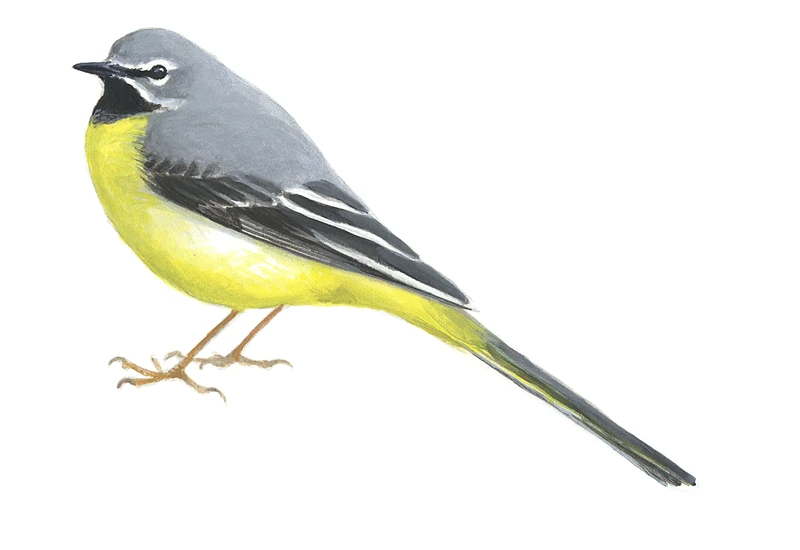
Grote Gele Kwikstaart
Waar houdt ie van
Snel stromend water en een randje rommel. Bruggen, stuwen, beekjes, plassen met stenen oevers: perfect. Hij loopt over keien en kades alsof hij de boel inspecteert. Geef ’m open plekken om te foerageren én een nis om te broeden: onder bruggen, in kademuren, achter beschoeiing.Doen: laat langs water een strook ruigte staan. Maai gefaseerd. Leg een stapeltje stenen of takken bij de oever. In tuin of park: een vijver met ondiepe rand en wat keien werkt verrassend goed.
Ecologisch belang
Insecteneter met tempo. Pakt vooral vliegen, muggen, dansmuggen, kevers en larven langs de waterkant. Jongen groeien op insectenpower; minder insecten = minder kwikstaarten. Zelf staat hij op het menu van sperwer en soms een kat, dus geef dekking met struiken.
Wanneer in Nederland
Hele jaar. Broedt vanaf maart tot in de zomer, vooral in Limburg, Twente en de Achterhoek. In de winter meer verspreid, houd platte daken in de gaten.
Status
Vrij algemeen, maar afhankelijk van gezonde beken en insectrijke oevers.
Zo klinkt een Grote Gele Kwikstaart
We blijven deze tekst aanscherpen. Mis je iets of klopt er iets niet? Mail [email protected] en help mee. Dan strijken we samen de veren weer even goed.