

.webp?v=76844174e902)
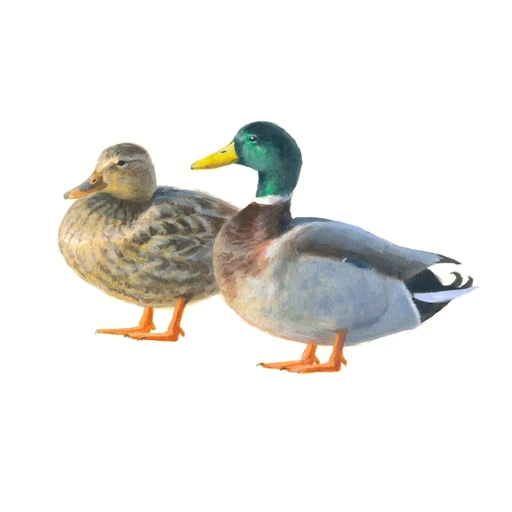
Wilde Eend
Waar houdt ie van
Rustig, ondiep water met rommelige randen. Slootjes, vijvers, plassen, natte weilanden. Hoe meer oeverkruiden, riet en lisdodde, hoe beter. Doen: laat een strook gras langs water lang. Maai in fases. Leg een takkenril of ruigtehoekje aan voor dekking. In het boerenland: houd een natte hoek nat en laat plas-dras langer staan.
Ecologisch belang
De wilde eend is opruimploeg en verspreider tegelijk. Hij eet waterplanten, zaden en veel kleine beestjes zoals slakjes, insectenlarven en wormpjes. Daarmee houdt hij het waterleven in beweging en voert hij energie door naar roofdieren. Vos, hermelijn en roofvogels pakken eenden (en kuikens) waar ze kans zien: dat hoort bij een levend landschap.
Wanneer in Nederland
Jaarrond. Broedt van grofweg maart tot en met juli. In winter extra veel door trek uit het noorden.
Status
Algemeen, maar al jaren duidelijk in de min. Minder kuikens, minder veilige natte rommelranden.
Zo klinkt een Wilde Eend
We blijven deze tekst aanscherpen. Mis je iets of klopt er iets niet? Mail [email protected] en help mee. Dan strijken we samen de veren weer even goed.