

.webp?v=76844174e902)
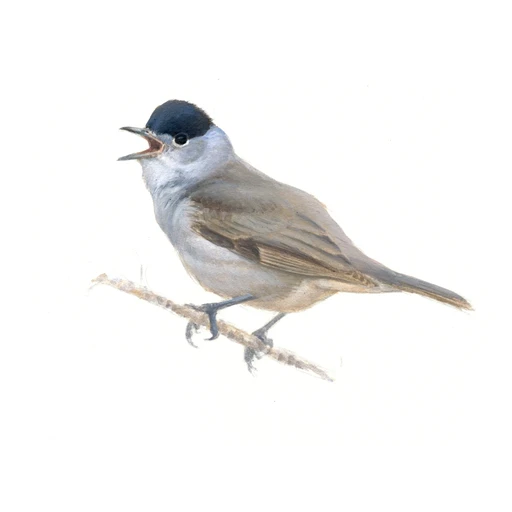
Zwartkop
Waar houdt ie van
Rommelige randen en veel groen. Struweel, hagen, tuinen met dichte bosjes, parken met ondergroei. Maak het ‘m makkelijk: plant meidoorn, sleedoorn, hazelaar, vlier en braam. Laat een hoekje brandnetel en ruigte staan. Niet strak maaien, wel plekken met dekking.
Ecologisch belang
In het voorjaar vreet hij rupsen, bladluizen en andere insecten weg uit je struiken. Later schakelt hij over op bessen en zacht fruit. Hij is zelf prooi voor sperwer en katten: dus geef ’m dichte schuilplekken en hou je kat vooral in het voorjaar en s' nachts binnen.
Wanneer in Nederland
Zingen hoor je vanaf maart. Veel zwartkoppen broeden hier van april tot en met juli. Een deel trekt weg, maar steeds meer blijven (zeker in zachte winters) en duiken dan op bij tuinen.
Status
Algemeen. Gaat al jaren goed vooruit, vooral door mildere winters en groenere tuinen met bessen.
Zo klinkt een Zwartkop
We blijven deze tekst aanscherpen. Mis je iets of klopt er iets niet? Mail [email protected] en help mee. Dan strijken we samen de veren weer even goed.