

.webp?v=76844174e902)
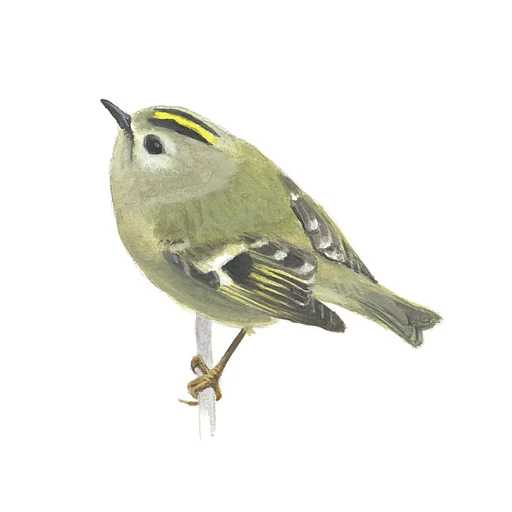
Goudhaan
Waar houdt ie van
Klein maar kieskeurig. De goudhaan is dol op naaldbomen: spar, den, fijnspar, lariks. Heb je ruimte? Plant een paar wintergroene bomen of een gemengde haag met ook wat conifeer ertussen. Laat dode takjes hangen en ruim niet alles strak op – daar zitten insecten onder. Geen pesticide, wél kleine beestjes. Ook in parken of grotere tuinen helpt variatie: hoog, laag, wintergroen en bladverliezend door elkaar. Hoe meer structuur, hoe meer kans op dat piepkleine gouden streepje in de kruin.
Ecologisch belang
Een onvermoeibare insectenplukker. Hij speurt tak voor tak af naar spinnetjes, bladluizen en eitjes. Daarmee houdt hij plagen mee in toom, juist in naaldbomen. Zelf is hij prooi voor roofvogels en soms katten. Door zijn formaat extra kwetsbaar, maar ecologisch van groot belang in bossen en groenstroken.
Wanneer in Nederland
Jaarrond aanwezig. Broedvogel én wintergast; in de winter komen er vaak extra goudhanen uit Noord- en Oost-Europa bij.
Status
Beschermde inheemse soort. Niet bedreigd en landelijk vrij algemeen, vooral in naaldbossen en oudere parken. Wel gevoelig voor strenge winters en grootschalige kap van naaldbos. Meer gemengd, biodivers bos is winst.
Zo klinkt een Goudhaan
We blijven deze tekst aanscherpen. Mis je iets of klopt er iets niet? Mail [email protected] en help mee. Dan strijken we samen de veren weer even goed.