

.webp?v=76844174e902)
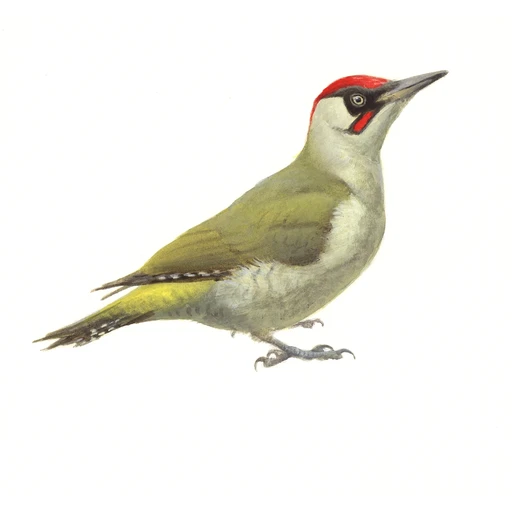
Groene Specht
Waar houdt ie van
Rustige, open plekken met korte vegetatie. Denk: parkweide, boomgaard, gazon met rafelrand, kruidenrijk grasland. En vooral: mieren. Doen: maai niet alles strak. Laat stukken gras kort door begrazing of gefaseerd maaien, en laat andere stukken juist hoger. Houd zandige plekjes open. Laat oude bomen staan, óók als ze “niet meer zo netjes” zijn. Hang eventueel een nestkast voor spechten op (ruim model), maar dode takken zijn goud.
Ecologisch belang
Miereneter met een lange tong: hij houdt mierennesten in toom en jaagt vooral op wegmieren. Zijn nestholtes worden later gebruikt door mezen, boomkruipers, vleermuizen. Leeft hij ergens, dan klopt het vaak: bodem, insecten en bomen doen mee.
Wanneer in Nederland
Jaarrond. Je hoort ’m het meest in het voorjaar: die lach rolt zo door je wijk of over je erf.
Status
Broedvogel en standvogel. Plaatselijk algemeen, maar kwetsbaar waar gazons, bermen en graslanden te strak en te vaak worden gemaaid.
Zo klinkt een Groene Specht
We blijven deze tekst aanscherpen. Mis je iets of klopt er iets niet? Mail [email protected] en help mee. Dan strijken we samen de veren weer even goed.