

.webp?v=76844174e902)
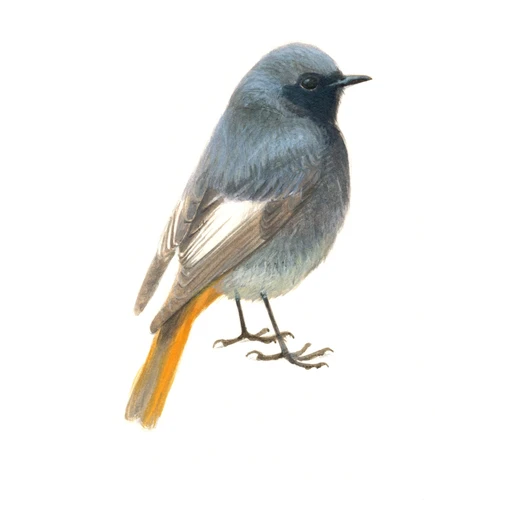
Zwarte Roodstaart
Waar houdt ie van
Rommelig, warm en open. Denk: schuurtjes, oude muurtjes, stapels hout, grinddaken, spoorbermen. In de tuin: een zonnig hoekje met kale grond, wat stenen en lage struiken. Laat een randje “net niet af” zijn. In park en erf: hou ruigteplekjes, niet alles strak maaien. Op landbouwgrond: bloemrijke akkerranden en slootkanten met wat zandige stukjes werken top.
Ecologisch belang
Insectenpakker met tempo. Eet vooral vliegen, muggen, kevers, rupsen en spinnen. Voert jongen groot op insecten, dus hij is een directe graadmeter: zit er leven in jouw groen of niet? Zelf staat hij ook op het menu van sperwer en katten—dekking helpt.
Wanneer in Nederland
Vooral maart–oktober. Veel trekken weg, maar in zachte winters blijven er ook.
Status
Vrij algemeen. Doet het goed bij mensen, zolang je hem voedsel (insecten) en rommel (schuilplekjes) gunt.
Zo klinkt een Zwarte Roodstaart
We blijven deze tekst aanscherpen. Mis je iets of klopt er iets niet? Mail [email protected] en help mee. Dan strijken we samen de veren weer even goed.