

.webp?v=76844174e902)
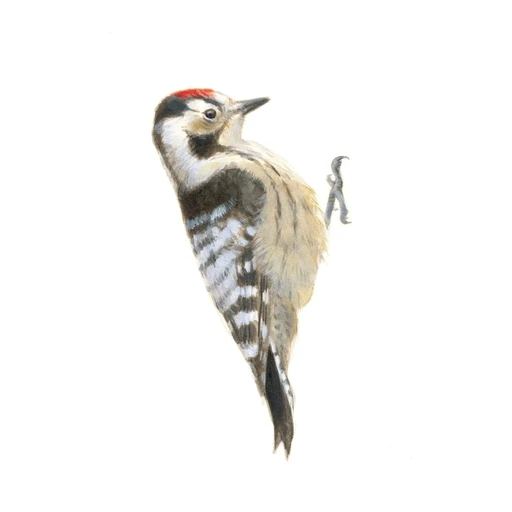
Kleine Bonte Specht
Waar houdt ie van
Rommelige randjes en rustige hoekjes. Oude fruitbomen, knotwilgen, elzen en berken met zachte, dode stukken hout. Het liefst een tuin, park of erf waar je niet elk takje “netjes” maakt. In landbouwgebied: houtwallen, singels en boomgaarden die mogen verouderen.
Ecologisch belang
Dit is je gratis boomdokter. Hij peutert larven en insecten uit rottend hout en houdt zo het opruimwerk draaiend. Zijn oude nestholtes worden later gebruikt door mezen en andere holenbroeders. Kettingreactie, maar dan de goeie.
Wanneer in Nederland
Het hele jaar te vinden. In het voorjaar extra actief: roffelen, roepen, grenzen trekken.
Status
Broedvogel in Nederland. Lokaal aanwezig en afhankelijk van oud hout; verdwijnt snel als alles te strak gesnoeid en opgeruimd wordt.
Zo klinkt een Kleine Bonte Specht
We blijven deze tekst aanscherpen. Mis je iets of klopt er iets niet? Mail [email protected] en help mee. Dan strijken we samen de veren weer even goed.