

.webp?v=76844174e902)
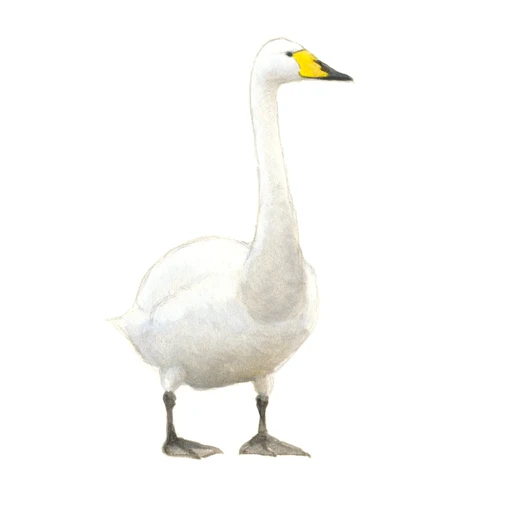
Wilde Zwaan
Waar houdt ie van
Rust. Veel rust. Grote, open plassen en meren met brede rietkragen en ondiepe randen. In de winter ook graag op natte graslanden en onder water gezette akkers waar ‘ie veilig kan foerageren. Maak het aantrekkelijk: laat een oever rommelig. Riet en lisdodde mogen blijven staan. In park of erf: kies voor een flauwe oever in plaats van een strak beschoeide rand. Op landbouwgrond: geef ruimte aan plas-dras en brede, natte bufferstroken.
Ecologisch belang
Grazer met een missie: eet waterplanten en gras, en houdt zo oevers en ondieptes open en in beweging. Dat helpt weer andere soorten. Zelf is ‘ie vooral prooi voor vos (vooral kuikens) en in sommige gebieden grote roofvogels; rust en overzicht maken het verschil.
Wanneer in Nederland
Vooral wintergast: grofweg van november tot en met maart. In koude winters piekt het aantal. Broedt sinds 2005 héél af en toe in Nederland.
Status
Wintergast. In Nederland schaars tot vrij schaars, met wisselende aantallen per winter.
Het geluid van...
OH NEEEEE, hoe klinkt de Wilde Zwaan dan?! We hebben nog geen goede opnames van deze vrolijke fluiter in onze database. weet jij het? Heb je hem wel eens gehoord? of heb je een goeie opname van deze soort, laat het ons weten en mail naar: [email protected]
We blijven deze tekst aanscherpen. Mis je iets of klopt er iets niet? Mail [email protected] en help mee. Dan strijken we samen de veren weer even goed.