

.webp?v=76844174e902)
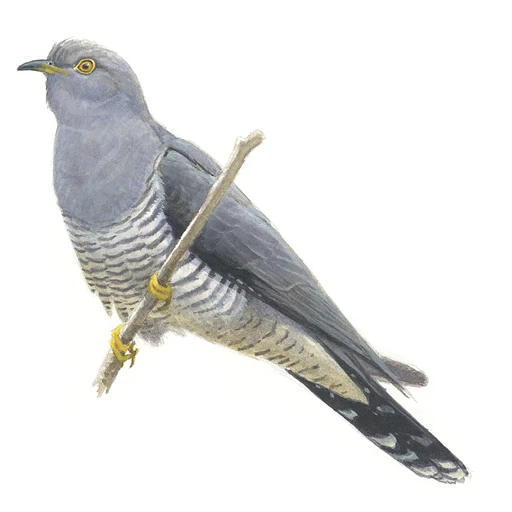
Koekoek
Waar houdt ie van
Halfopen landschap met ruige randen. Houtwallen, singels, slootkanten, heide, jonge bosranden. Niet te strak gemaaid. Wel veel insecten. Laat brandnetel en fluitenkruid staan, plant meidoorn en sleedoorn, en geef je berm een “één keer laat maaien”-beleid. Op erf en park: laat hoekjes rommelig, met struiken en hoge kruiden.
Ecologisch belang
De koekoek is de specialist in harige rupsen. Denk eikenprocessierups en bastaardsatijnrups: precies het spul waar veel vogels hun snavel niet aan willen branden. Minder rupsenplaag, meer balans. Zelf wordt hij vooral gepakt door roofvogels als sperwer en havik, dus dekking in struikrand helpt.
Wanneer in Nederland
Zomergast. Meestal terug in april. Weg vanaf juli, de meeste zijn in augustus alweer vertrokken.
Status
Algemeen, maar al jaren in duidelijke afname. Meer ruigte en insectenrijke randen maken direct verschil.
Zo klinkt een Koekoek
We blijven deze tekst aanscherpen. Mis je iets of klopt er iets niet? Mail [email protected] en help mee. Dan strijken we samen de veren weer even goed.