

.webp?v=76844174e902)
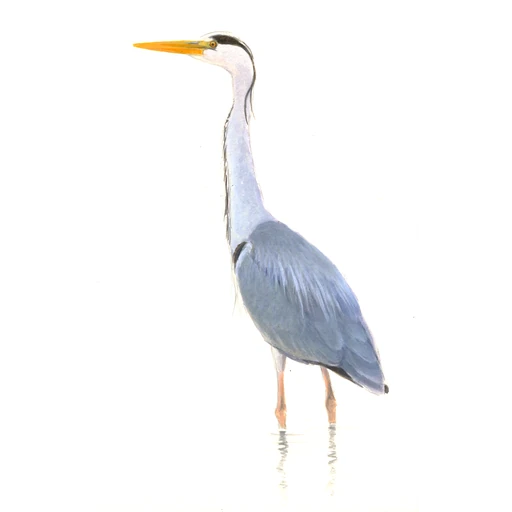
Blauwe Reiger
Waar houdt ie van
Rust, ondiep water en overzicht. Slootkanten, vijverranden, weteringen, natte weilanden. Een paaltje of hek om vanaf te loeren: top. Maak je vijver niet overal strak: laat een flauwe oever, wat riet en rommelhoekjes. In park en tuin: laat een hoek nat en ruig, met lisdodde, riet en gele lis. Op erf en boerenerf: houd een slootkant breed en laat ’m één keer per jaar maaien, niet wekelijks.
Ecologisch belang
Hij is de lange-arm van de waterkant: eet vooral vis, kikkers, salamanders, insecten en muizen. Houdt zo kleine prooien in balans en laat zien waar het waterleven nog bruist. Jonge of zwakke reigers zijn zelf prooi voor vos en grote roofvogels.
Wanneer in Nederland
Het hele jaar. In koude periodes trekken er ook reigers weg of juist bij.
Status
Algemeen. Aantallen schommelen met strenge winters en de kwaliteit van natte natuur.
Zo klinkt een Blauwe Reiger
We blijven deze tekst aanscherpen. Mis je iets of klopt er iets niet? Mail [email protected] en help mee. Dan strijken we samen de veren weer even goed.